OUR KIND OF COLORADO
Inside Ivy Lane: Home Staging in Colorado
Laura Nixon and Angela Nechvatal talk with Kate Kas and Lauren Dalrymple about staging Front Range homes, working with local artists, and what sellers can change before buying anything new.
Laura Nixon · Angela Nechvatal
Watch the conversation.
Read the article ↓FROM THE CONVERSATION
Inside Ivy Lane, the Colorado staging studio that starts with the house
On a visit to a midcentury home, Lauren Dalrymple pulled out her phone and FaceTimed her business partner, Kate Kas. The kitchen still had its original cabinet pulls. Lauren knew Kate would want to see them.
The two founders of Ivy Lane Home Staging have worked in historic homes where the architects themselves once lived. They remember the hardware, the vinyl, the details that put a house in a particular decade. Ask them about one of their first luxury listings, though, and what Lauren remembers is the family. Other people were talking about how much the house would sell for. Kate and Lauren were looking at the trim, seeing the scratches left by the dog, and realizing that one family had raised their kids there from start to finish.
Those are two quite different ways to get to know a house. Both help explain how Ivy Lane approaches staging across Boulder, Denver and Fort Collins. In this episode of Our Kind of Colorado, Five Four’s Laura Nixon and Angela Nechvatal sat down with Kate and Lauren to talk about what they see when they walk into a home, how they decide what belongs there, and what a seller can do with a free afternoon and the furniture they already own.

Staging and portfolio image from Ivy Lane Home Staging.
How Ivy Lane chooses what to bring into a home
Kate and Lauren met sitting across from one another at a Boulder advertising agency. Both had moved from the Midwest to Boulder in the same month. They stayed friends after leaving the agency, and in 2020, with new babies at home, they started taking walks together. On one walk, Kate saw a real estate sign and had an idea. What if someone used design to help market the house? “We thought we invented home staging,” Lauren said.
Their advertising experience shows up in a particular way. Lauren is conscious of how quickly a buyer recognizes the feeling of being sold to. When the pair take on a listing, they look for pieces that make sense in that particular house. Sometimes that means going out to source something even when it would be easier to pull another piece from their own inventory.
Kate remembers how much beige-on-beige staging they saw when they started. As tastes shifted, they found more room for color and layers. Their artist program gives them one way to introduce both. They work with artists at different points in their careers and choose which work suits each listing. A home gives someone a chance to see a piece at living-room scale, in relation to the furniture and the light. Some of those installations have led to sales for the artists. Laura has encountered the result from the other side of the front door. On recent tours, she said, she recognized Ivy Lane’s work as soon as she walked in.
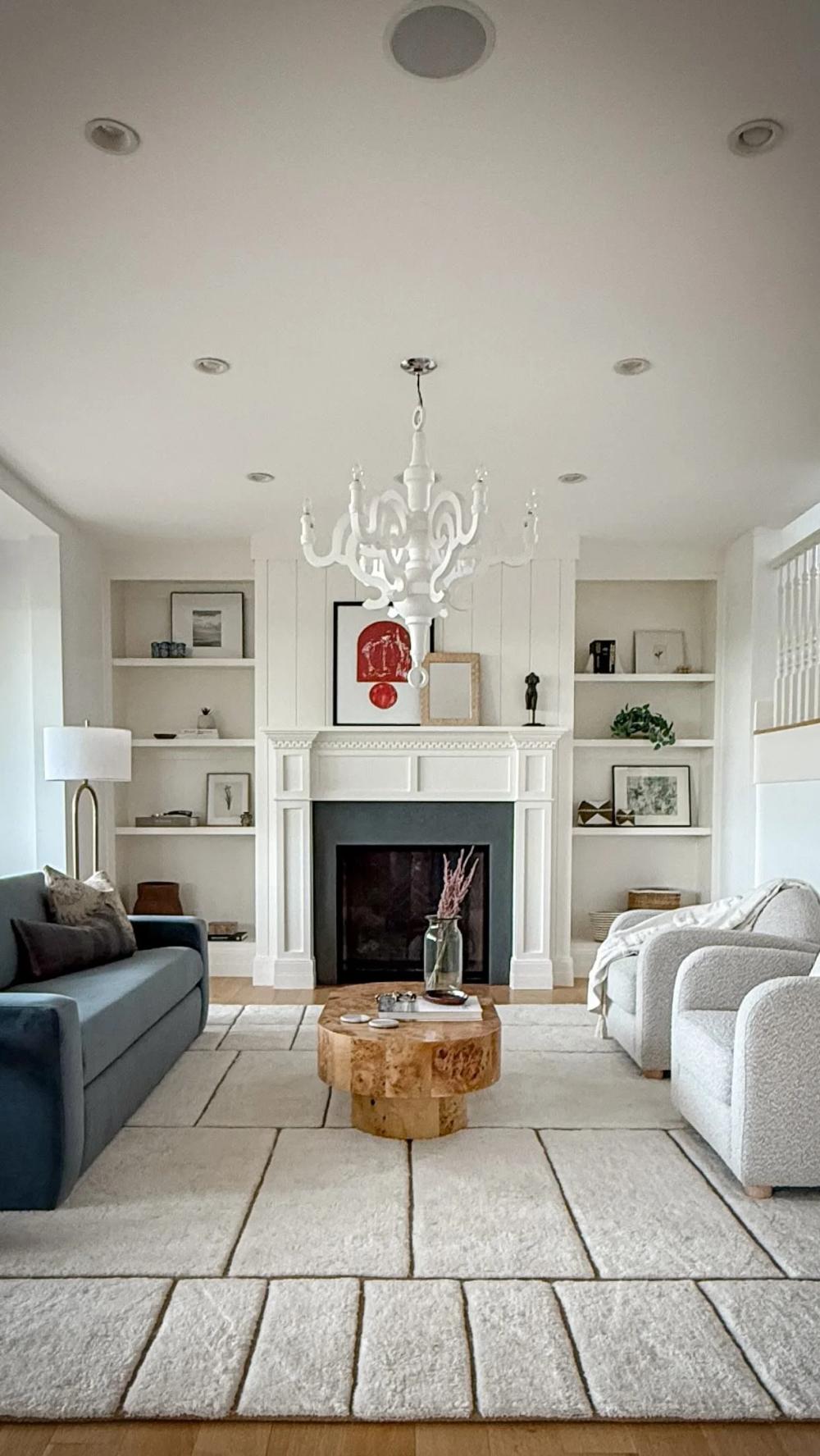
Staging and portfolio image from Ivy Lane Home Staging.
What’s in the middle of your living room?
When Kate walks into an occupied home for a consultation, she often finds the sofa pushed against one wall and the chairs lined up along the others. The owners have given themselves plenty of open floor space. What they’ve lost in the arrangement is a comfortable place to sit and talk.
Try Kate’s idea in your own living room. Leave the sofa where it is for a moment. Pull a chair forward, turn it toward the sofa, and sit down. Could you have a conversation with someone on the sofa from here? Now look at the two pieces from the doorway. A buyer seeing this room for the first time can tell where they’d sit with a friend. That’s what Kate means when she talks about giving the room a center.
When Laura asked what every seller ought to get rid of, Kate hesitated to name an item. In occupied homes, she’s more interested in how the owners’ things work together. Lauren would start by packing some of them away. Between moving a chair and clearing a few surfaces, you can see whether anything is actually missing before you shop.
Two small purchases the stagers would make
Kate’s pick was a pillow insert. If you like the pillows you already have, take a look at them from across the room. Sometimes it’s the flattened shape that makes a bed or sofa look tired. A fuller insert lets you keep the cover and change how the whole piece looks. Kate likes a well-chopped pillow, but even she considers the chop optional.
Lauren picked a mirror. During the recording, she pointed to the wall behind her and explained that a mirror there would bounce light back into the room. That gives a seller a more specific question to ask than what size mirror will fit an empty wall. What will it reflect from that spot? Lauren acknowledged that mirrors can be tricky for the person taking the listing photos. In the right position, she still likes how much brighter a room can feel for a relatively small expense.
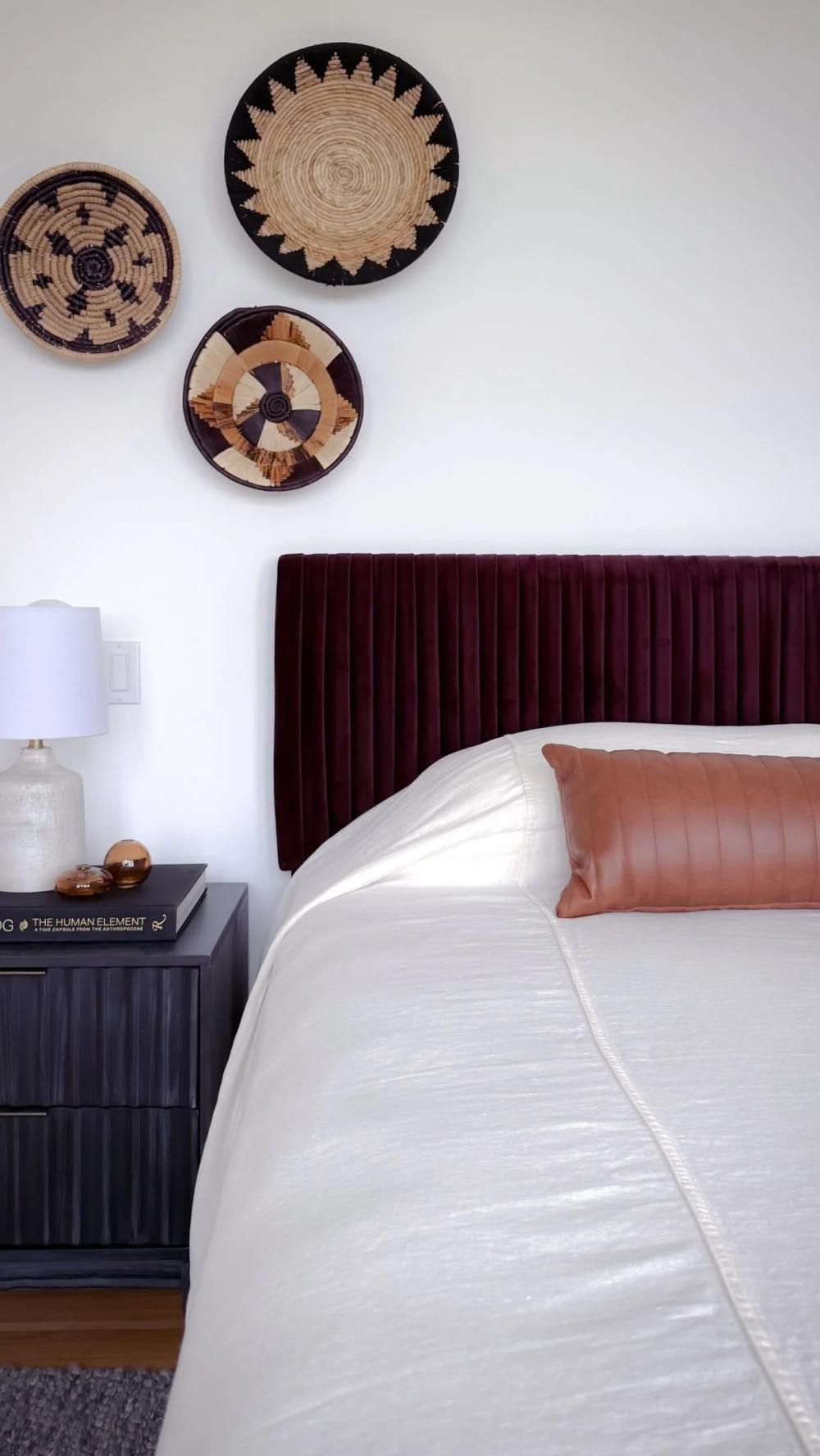
Staging and portfolio image from Ivy Lane Home Staging.
When you’re still living there on staging day
For years, sellers asked Ivy Lane about staging homes they still occupied. The team now offers that service alongside vacant staging. If you’re staying in the house while it’s listed, the furniture conversation can start with what you use every day. Kate’s advice about pulling chairs together came directly from those occupied consultations.
The part Kate would settle early, whether the house is full or empty, is how everyone will hear about a change of plan. A move date can slip. A room the crew expected to have available may still be in use. Letting the stager and agent know when the timing changes gives them a chance to adjust the installation.
Lauren offered an example of what that communication looks like in the other direction. If a mover dings a freshly painted wall getting a couch through a hallway, Ivy Lane takes a picture, texts the agent, explains what happened and offers a way to address it. Laura remembered a job where exactly that happened. For a seller deciding whom to let into their home, asking how a team handles a ding can tell you as much as looking through its portfolio.
When the furniture is meant to stay
Near the end of the conversation, Laura asked a practical question about Ivy Lane’s work furnishing short-term rentals. Who owns the sofa once the team leaves?
For a permanent installation, the owner buys the furnishings through Ivy Lane. The team visits the property, takes measurements and selects pieces. Deliveries go to its warehouse, and the crew handles the unboxing, assembly and installation. Kate said the same arrangement can work for a model home. An owner comparing services has a concrete distinction to ask about here. Are you preparing rooms for buyers to tour, or do you want to hand over the keys with the rooms ready for someone to use?
For the seller getting a home ready this weekend, Kate’s least expensive idea is still a good place to begin. Before ordering anything, take a chair off the wall and see who you could sit across from.
Explore more rooms in Ivy Lane’s staging portfolio.